Welcome to Skills Spotlight, a monthly blog where a Youth Services Librarian breaks down simple early literacy tips!
When we picture early literacy, we often think of books, scribbling, and letters. However, before young children can begin learning to read and write, they first learn through listening.
Listening Builds Language from the Start
From birth, children begin to understand language by first hearing the voices around them. While it takes some time to develop the oral part of language, babies absorb tone, rhyme, sounds, and the lilt of language. Every conversation, songs, or story that they hear will help build the foundational skills to later speak, write, and influence their world. When you talk, sing, or read aloud to your child, you help them learn new vocabulary, understand sentence structure, and recognize tone, emotion, and meaning in language.
Talk, Sing, Point
The Basic’s Learning Network’s principle, Talk, Sing, and Point, details ways to develop listening skills with your child- highlighting “serve and return” interactions. Listening isn’t passive; it’s a tool used in a conversation, even before your child can talk. When your baby coos and you respond, or your toddler points and names what they see, you are teaching them that communication is a two-way process, their voice matters, and language has meaning and purpose. Basic moments, like narrating your grocery trip or responding to your child’s babble, are powerful literacy builders.
Listening supports understanding.
As children grow, listening helps them make sense of stories, instructions, and the world around them. When a child listens to a story being read aloud, they learn how narratives work – beginnings, middles, ends; characters and emotions; and cause and effect. Strong listening skills help children follow directions, answer questions, retell stories, and build comprehension skills.
Everyday ways to build listening skills
Building listening skills doesn’t require special tools- just everyday interactions. You can support your child by talking aloud every day, reading aloud together, singing songs and rhymes, and giving your child time to respond to questions, like “What do you see?”, or “What happens next?” This helps encourage active listening.
Books to Read Aloud
The following is a selection of picture books that are perfect read aloud. These books were selected for their engagement with diverse audiences, and repetitive use of language and rhyme.
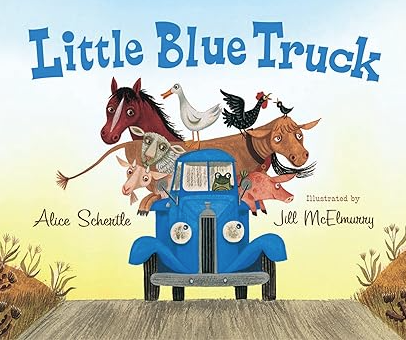
Little Blue Truck, by Alice Shertal.
Little Blue Truck by Alice Schertle is great for reading aloud because its rhyme, rhythm, and repetition help children hear sound patterns and join in. The animal noises and predictable phrases strengthen connections between sounds and words while encouraging active participation. Plus, it’s part of a series, fiving children more opportunities to explore the world of Little Blue Truck.
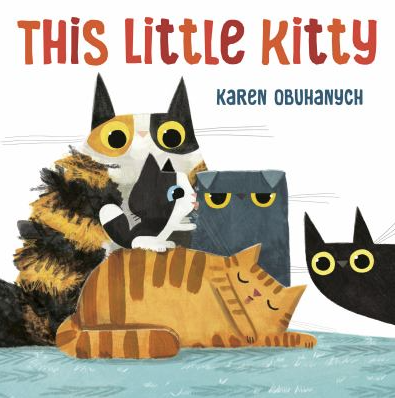
This Little Kitty, by Karen Obuhanych.
One of my favorite books to read aloud, This Little Kitty invites participation, because of its repetitive, easy-to-follow structure encourages children to join in. Additionally, this book offers many opportunities for discussion, as the pictures are filled with playful, cat-like whimsy.
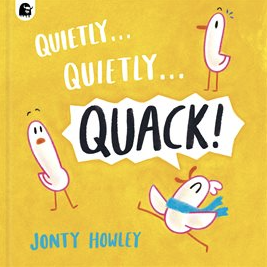
Quietly… Quietly… QUACK!, by Jonty Howley.
Another Storytime favorite, Quietly… Quietly… QUACK! is perfect for practicing listening skills, children must wait patiently for the big “quack!” moment. With a touch of adventure to build excitement, this adorable and repetitive book is especially engaging for young readers.
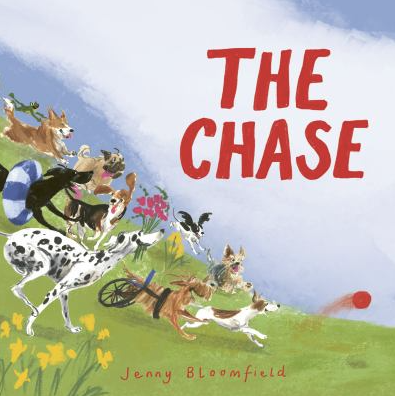
The Chase, by Jenny Bloomfield. Ages 3 – 5.
What happens when a ball thrown for one dog ends up getting chased by ten? The Chase is a lively picture book that’s perfect for reading aloud, as not only is this book charming, but it also offers many opportunities to practice early literacy skills like counting.
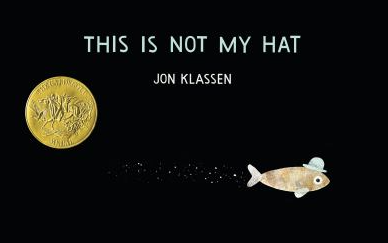
This Is Not My Hat, by Jon Klassen. Ages 2 – 6.
This book holds a special place in my heart- it was my child’s absolute favorite book when they were younger. This Is Not My Hat is perfect for young readers to practice their prediction skills while trying to solve the mystery of the hat.
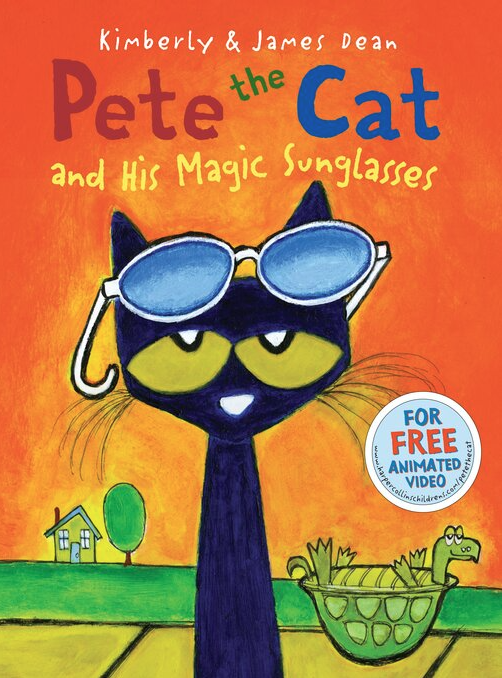
Pete the Cat and His Magic Sunglasses, by Kimberly and James Dean. Ages 4 – 8.
Want to introduce emotional vocabulary to your child? Then may I suggest Pete the Cat and His Magic Sunglasses? This captivating book uses repetitive phrases, engaging rhythm, and simple sentence structure- which is great for building confidence in early readers.
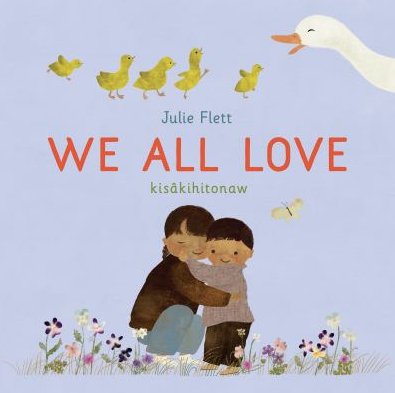
We All Love, by Julie Flett. Ages 1 – 7.
If you follow the Basics principles like we do at RPL, then you might be familiar with Ron Ferguson’s idea to “maximize love, manage stress“. We All Love is a wonderful book to support this concept, as it can help children connect what they hear and see in the story to their everyday experience.
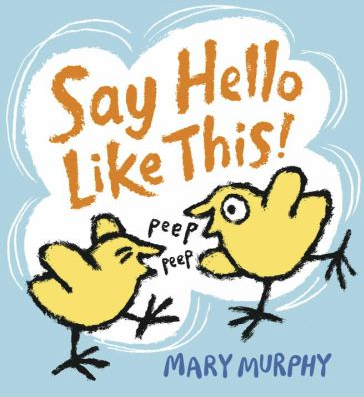
Say Hello Like This, by Mary Murphey. Ages 3 – 7.
Another story time favorite, Say Hello Like This is a great read-aloud. Encourage your child to pay close attention to how communication changes throughout the story, and invite them to imitate the animal sounds to help build strong listening comprehension.
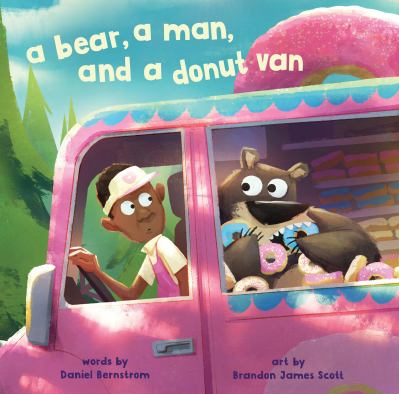
A Bear, A Man, And A Donut Van, by Daniel Bernstrom. Ages 4 – 8.
This adorable story asks the age-old question: ” What happens when a donut man who drives a van meets a bear?”. Spoiler: hilarity ensues. Filled with playful rhymes, this book is full of awesome rhymes, and perfect for practicing phonological awareness with young children.
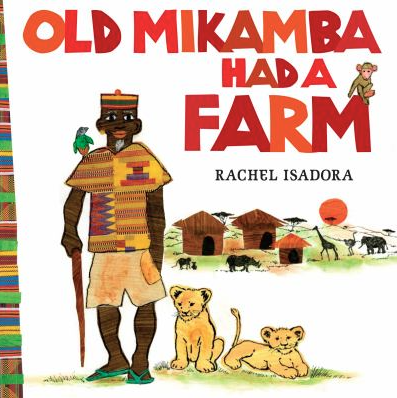
Old Mikamba Had a Farm, by Rachel Isadora. Ages 3 – 5.
Set to the tune of Old McDonald, Old Mikamba Had a Farm is a fun twist on a classic nursery rhyme. Perfect for kids who love to roar like a lion, this book is must-read. It’s call-and-response style encourages active participation and helps build strong listening skills.
That’s a wrap on Skills Spotlights! Thanks for reading, and if you enjoyed this blog, be sure to check out our upcoming Storytime at Home series, where we’ll share tips, tricks, and themes for your own storytime at home.