Who were my ancestors?
Where do I come from?
Am I related to anyone famous?
If you’ve ever asked yourself questions like these, you’re not alone. Curiosity about our roots is something many of us share. Whether you’re just beginning to explore your family history or you’ve already started building a family tree, Richmond Public Library is a powerful place to begin or continue your journey.
In Richmond Public Library’s Richmond Room you will find both physical and digital resources to help you on your quest!
If you are a Richmond local, start with our local history collection. We have a large collection of published materials on Richmond and Virginia history including city and suburban directories; yearbooks from local elementary, middle, high schools, and universities; local newspapers and periodicals (including Richmond Times-Dispatch, Richmond News Leader, Richmond Afro-American and Richmond Planet); City Archives; and Richmond-area phone books.
Online, your Richmond Public Library card gives you access to Ancestry.com (in-library use only), ProQuest’s African-American Heritage database, and Heritage Hub (a database of recent and historical obituaries) among other resources.
Of course, we have print and digital books to help you, too. Who knows what you’ll find out!
Genealogy for beginners
Katherine Pennavaria
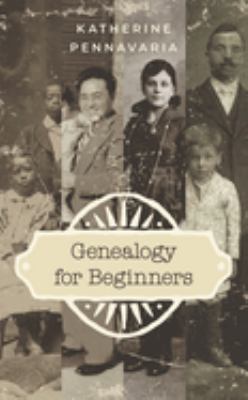
“This book covers everything you need to get started researching your family history or continue a project you’ve already started. It offers practical suggestions from an experienced genealogist, and detailed, step-by-step instructions for carrying out a quality family history research”– Provided by publisher.
The family tree toolkit : a comprehensive guide to uncovering your ancestry and researching genealogy
Kenyatta Berry
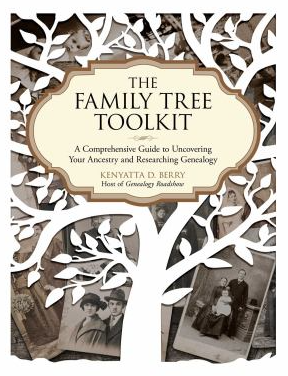
“The Family Tree Toolkit is designed to help you navigate the sometimes overwhelming and treacherous waters of finding your ancestors. The Family Tree Toolkit is a roadmap to help you on this journey of discovery. Whether you are looking for your African, Asian, European, or Jewish ancestry, The Family Tree Toolkit guides you on how and where to begin, what records are available both online and in repositories, what to do once you find the information, how to share your story and, of course, how to discover the secrets of your DNA”– From publisher’s description.
Finding a place called home : a guide to African-American genealogy and historical identity
Dee Woodtor
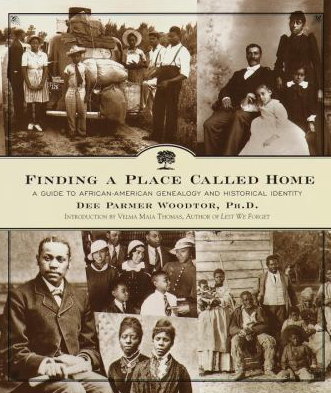
Finding a Place Called Home is a comprehensive guide to finding your African-American roots and tracing your family tree. Written in a clear, conversational, and accessible style, this book shows you, step-by-step, how to find out who your family was and where they came from. Finding a Place Called Home helps you find your family tree, and helps place it in the context of the garden of African-American people. As you learn how to find your own history, you learn the history of all Africans in the Americas, including the Caribbean, and how to benefit from a new understanding of your family’s history, and your people’s.
Unofficial guide to ancestry.com : how to find your family history on the #1 genealogy website
Nancy Hendrickson
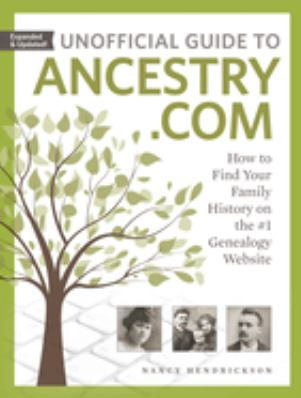
Discover the secrets to Ancestry.com success! This book will help you get the most out of your Ancestry.com subscription by showing you how to take advantage of what the world’s biggest genealogy website has to offer–and how to find answers to your family tree questions within its billions of records and massive network of family trees. Whether you’ve just begun dabbling in family history or you’re a longtime Ancestry.com subscriber, this book will turn you into an Ancestry.com power user!
Unofficial Guide to Familysearch.org : How to Find Your Family History on the World’s Largest Free Genealogy Website
Dana McCullough
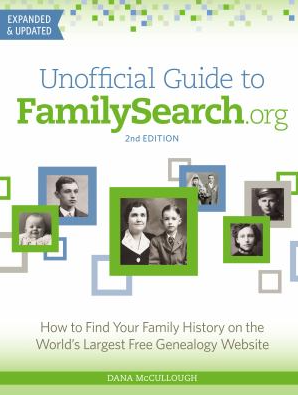
Discover your ancestry on FamilySearch.org, the world’s largest free genealogy website. This in-depth user guide shows you how to find your family in the site’s databases of more than 3.5 billion names and millions of digitized historical records spanning the globe. Learn how to maximize all of FamilySearch.org’s research tools including hard-to-find features to extend your family tree in America and the old country.
The Family tree historical newspapers guide : how to find your ancestors in archived newspapers
James Beidler
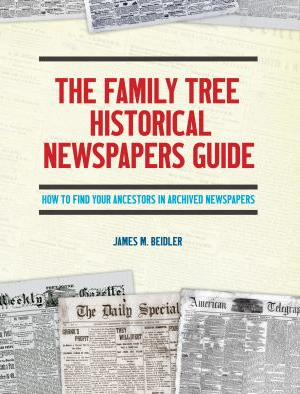
“There are more historical newspaper resources than you think, and they’re easier to access than you know. When researched properly, no other type of record can beat historical newspapers in “taking the pulse” of their times and places, recording not just the names of specific individuals, but also the information that was important to the community. This comprehensive how-to guide will show you how to harvest the “social media” of centuries past to learn facts about your ancestors as well as the flavor of the times they lived in. With step-by-step examples, case studies, templates, worksheets, and screenshots, this book lays out what genealogists can find in online (and offline) historical newspapers, from city dailies to weekly community papers to foreign-language gazetteers and publications from religious, ethnic, and labor societies” — Publisher.
Genealogy Online
Elizabeth Powell Crowe
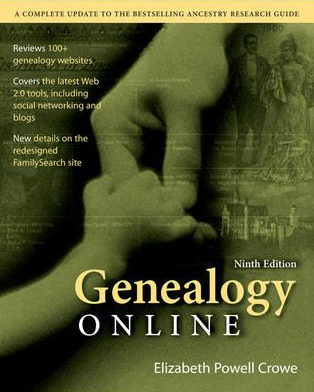
Provides a guided tour of online resources and communities to help anyone begin or delve deeper into a family history project. Thoroughly revised, this new edition shows you how Web 2.0 tools can help you get more done in less time.
Mastering online genealogy
W. Daniel Quillen
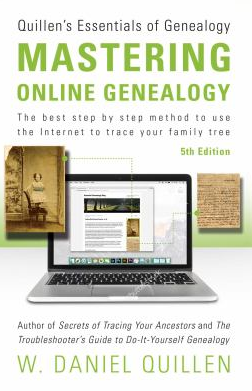
The revised fifth edition of Mastering Online Genealogy covers the use of computers and the Internet to successfully do your own genealogical research. Quillen shows readers how to use the Internet as an effective genealogical research tool.
How to do everything. Genealogy
George G. Morgan
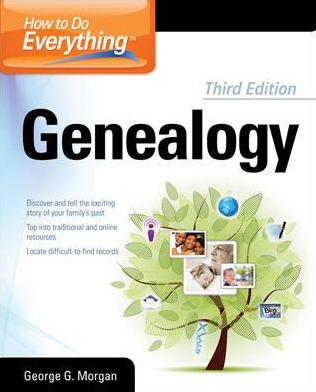
Discusses how to start family history research using traditional paper records, online databases, and social networks, and provides tips for establishing an effective research strategy and efficient search techniques.