Welcome to Skills Spotlight, a monthly blog where a Youth Services Librarian breaks down simple early literacy tips!
You might have heard your local librarian talk about print awareness during storytime, but what does that mean exactly? Print awareness is the understanding that letters and words are marks on a page, and those marks carry meaning. It also includes knowing how a book works. You may have seen your librarian play a game where they hold a book upside down and wait for the children to point out the mistake. They are using play to model print awareness. Books work by holding them right side up, turning pages from front to back, and reading words from left to right (at least in English). When children notice print in books, signs, or even cereal boxes, they are building a foundation for reading.

Storytime at the library, or at home, is a great place to model print awareness. Pointing words while reading, showing the book’s cover and title, and talking about the author and illustrator are easy ways to develop this skill. These actions help young learners understand that the words, not just the pictures, tell the story. Other ways to support this skill include running a finger under the text while reading, asking where the story starts or where it ends, or simply by inviting children to turn the page when it’s time to move forward.
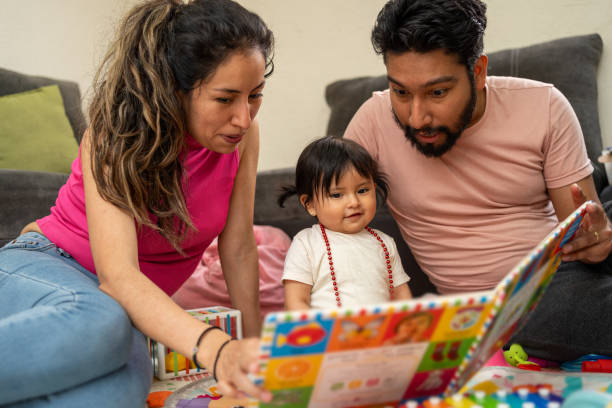
Books with bold text, clear layouts, and repetitive language are especially helpful for developing print awareness. Check out some of these books you can use at home:
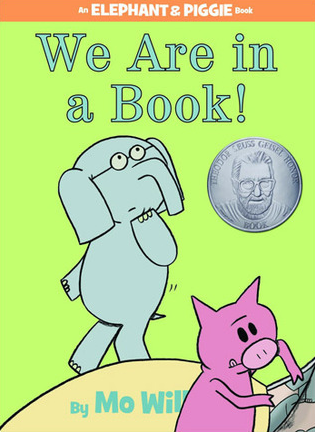
We Are in a Book, by Mo Willems.
In this story, the characters break the fourth wall and realize they are inside a book. As they talk about the words on the pages, playful concepts draw attention to how books work. Honestly, anything by Mo Willems is great for early literacy.
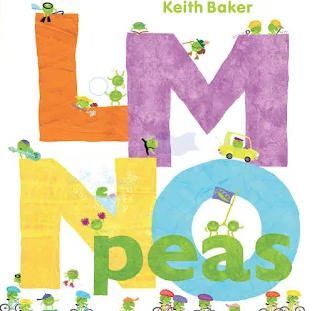
Each page focuses on a different letter of the alphabet and features words that begin with the sound of said letters. Caregivers can point to the letters and words while playing games with letter sounds. Plus, it’s just a cute book!
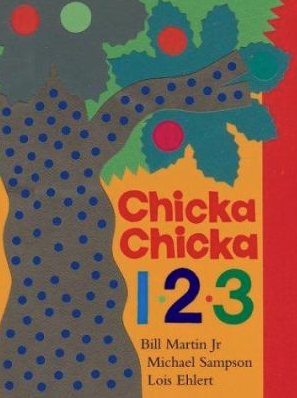
Chicka Chicka 1, 2, 3, by Bill Martin Jr.
A fun twist on Bill Martin’s classic! With repetitive language and numbers as the main characters, this book is a great way to introduce numbers into your child’s vocabulary.
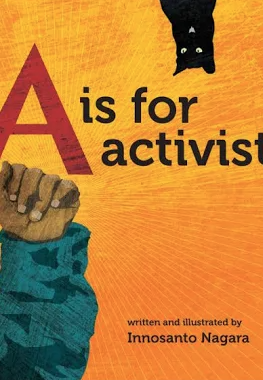
A is for Activist, by Innosanto Nagara.
This book is perfect for young Richmonders. Full of vocabulary to practice, A is for Activist blends phonics and images in a beautiful way.
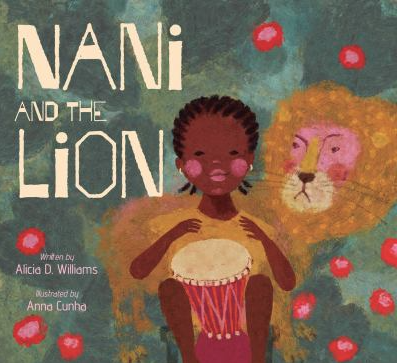
Nani and the Lion, by Alicia Williams.
This delightful picture book combines onomatopoeia with stylistic fonts throughout the story, giving caregivers a perfect opportunity to connect sound with written words. Plus, the engaging story makes the book especially fun to read.
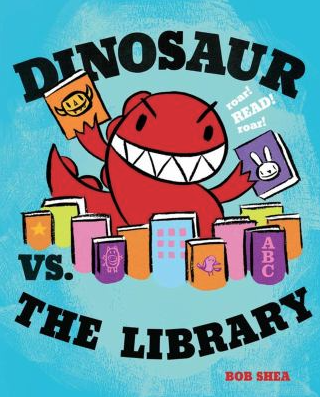
Dinosaur vs. The Library, by Bob Shea.
Another book full of bold and visually interesting text, the Dinosaur vs. series is great for developing print awareness. It engages children in the reading process (who doesn’t love a roar?) and helps them understand that the words on the page match the sounds being made.
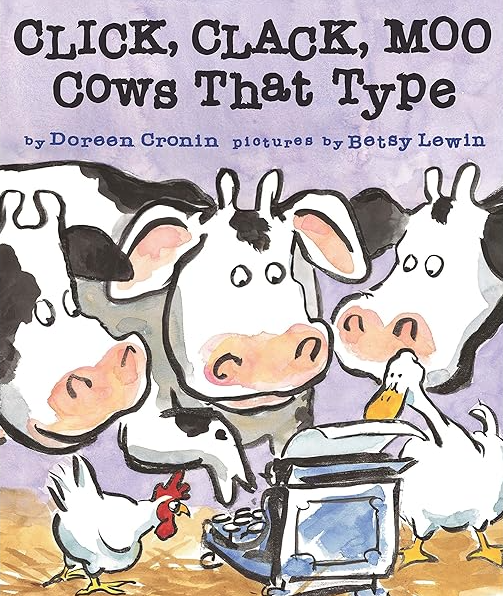
Click, Clakc, Moo: Cows That Type, by Doreen Cronin.
This lovable, humorous story features recurring phrases that help children recognize and even predict text patterns. Likewise, Click, Clack, Moo: Cows That Type shows children that writing is a form of communication that can help people express themselves.
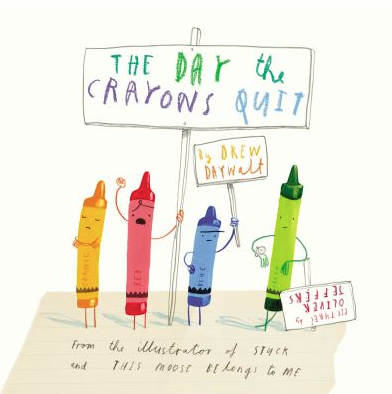
The Day the Crayons Quit, by Drew Daywalt.
The Day the Crayons Quit is one of my favorite books for teaching print awareness to preschoolers. The text is in an unconventional but highly engaging format, as each page features a different letter, helping children recognize the structure of functional, real-world writing.