
To celebrate Shark Week, I wanted to take a closer look at one of the most infamous examples of shark attacks in history, and the inspiration for the fiction book Jaws by Peter Benchley, which was adapted by Stephen Spielberg into the famous horror movie of the same name.
The Creatures
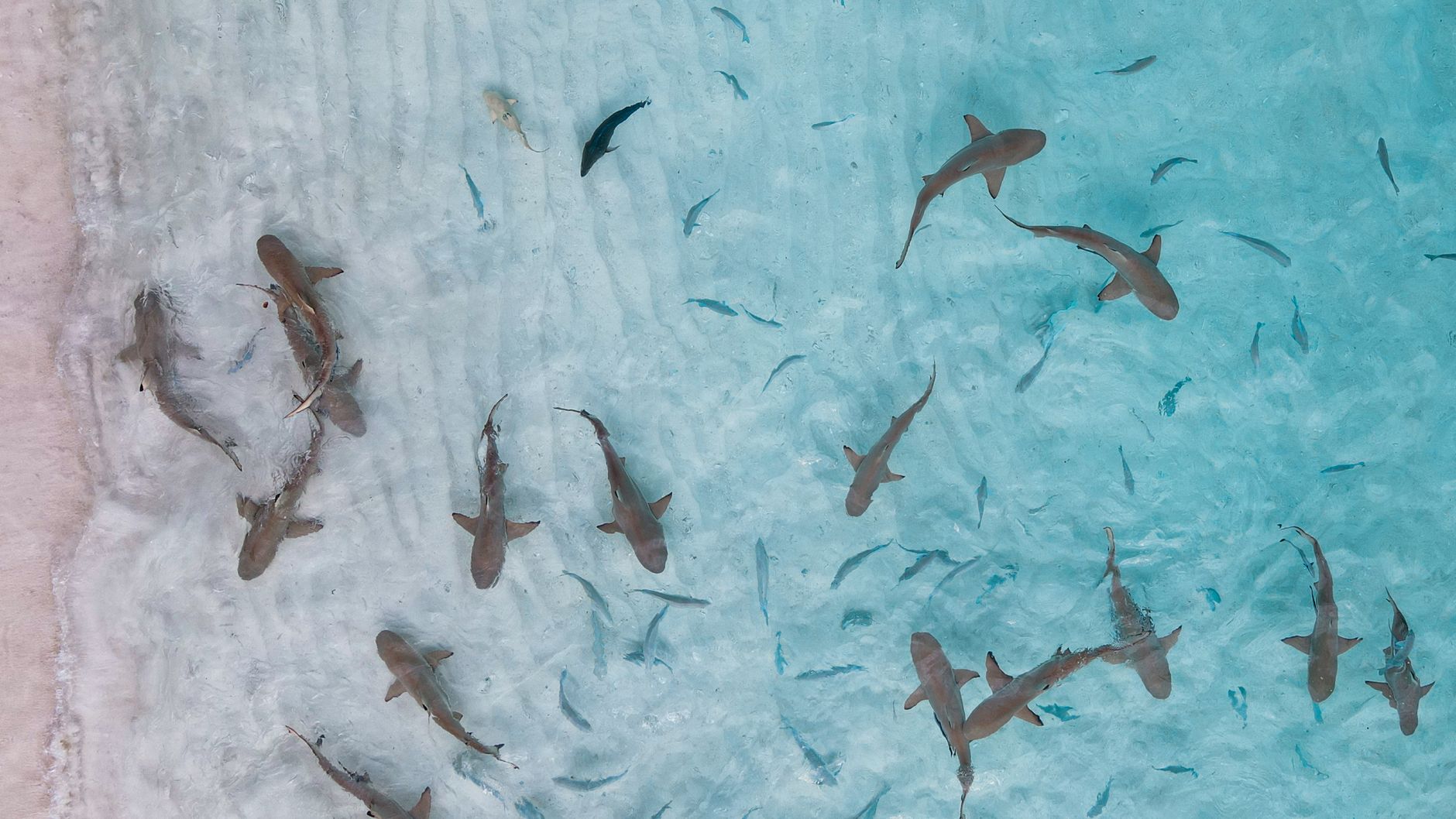
Sharks have had a bad reputation through the years. Often considered the underwater boogeymen, sharks have been portrayed as mindless killing machines that can and will hunt people. While shark attacks are a very real danger, the reality is that they are far less common than many people think. Those who study them quickly find that sharks are mostly docile creatures, with over 500 species that range in size from the dwarf lanternshark, as short as six inches long and weighing less than a pound, to the whale shark, which can reach up to forty feet long and weighing over 20 tons. Most sharks are actually too small to be a serious threat to adult humans, and even those large enough to be dangerous tend to leave us alone. While it is true that sharks are apex predators that have survived, relatively unchanged, for millions of years, the reality is that they pose a fairly small threat to people. In 2025, there were around 100 “attacks,” with only 9 fatalities from sharks listed worldwide.1 Compare this to car accidents, where in the United States alone, there were more than 35,000 deaths in 2025.2 Over time, the public perception of sharks has rightly changed from a bloodthirsty sea monster to a beautiful, if dangerous, creature.
This does not mean that sharks do not have the capacity for intense violence. Anyone who has seen a video of a shark hunting seals can attest to their speed, accuracy, and strength. Sharks, especially the larger species such as bull sharks, tiger sharks, and of course great white sharks, are apex predators for a reason. It is understandable why they could be seen as literal monsters, and have played that role in fiction. And when it comes to sharks as antagonists, there is no better example than Jaws.
The Movie
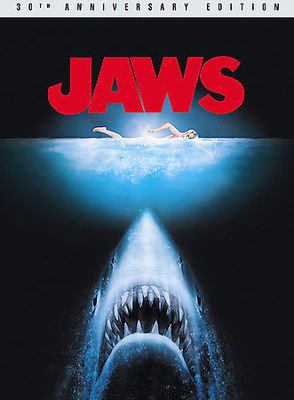
Jaws is considered a classic of modern cinema. If you are not familiar with the premise, the story takes place in the fictional beach town of Amity in New England during the Summer of 1974, at the height of the tourist season. There is evidence that there has been a fatal shark attack one night and despite the concerns of local police Chief Martin Brody, the town council and mayor are set on keeping the beaches open for the Fourth of July weekend tourist rush. It falls to Chief Brody, oceanographer Matt Hooper, and a shark hunter named Quint to track down the shark before it kills again. Jaws is a masterclass in cinematography, tension, music, acting, and pacing. It is nearly universally considered one of the best films of all time. If you are a fan of horror it is a definite must watch.
The Reality
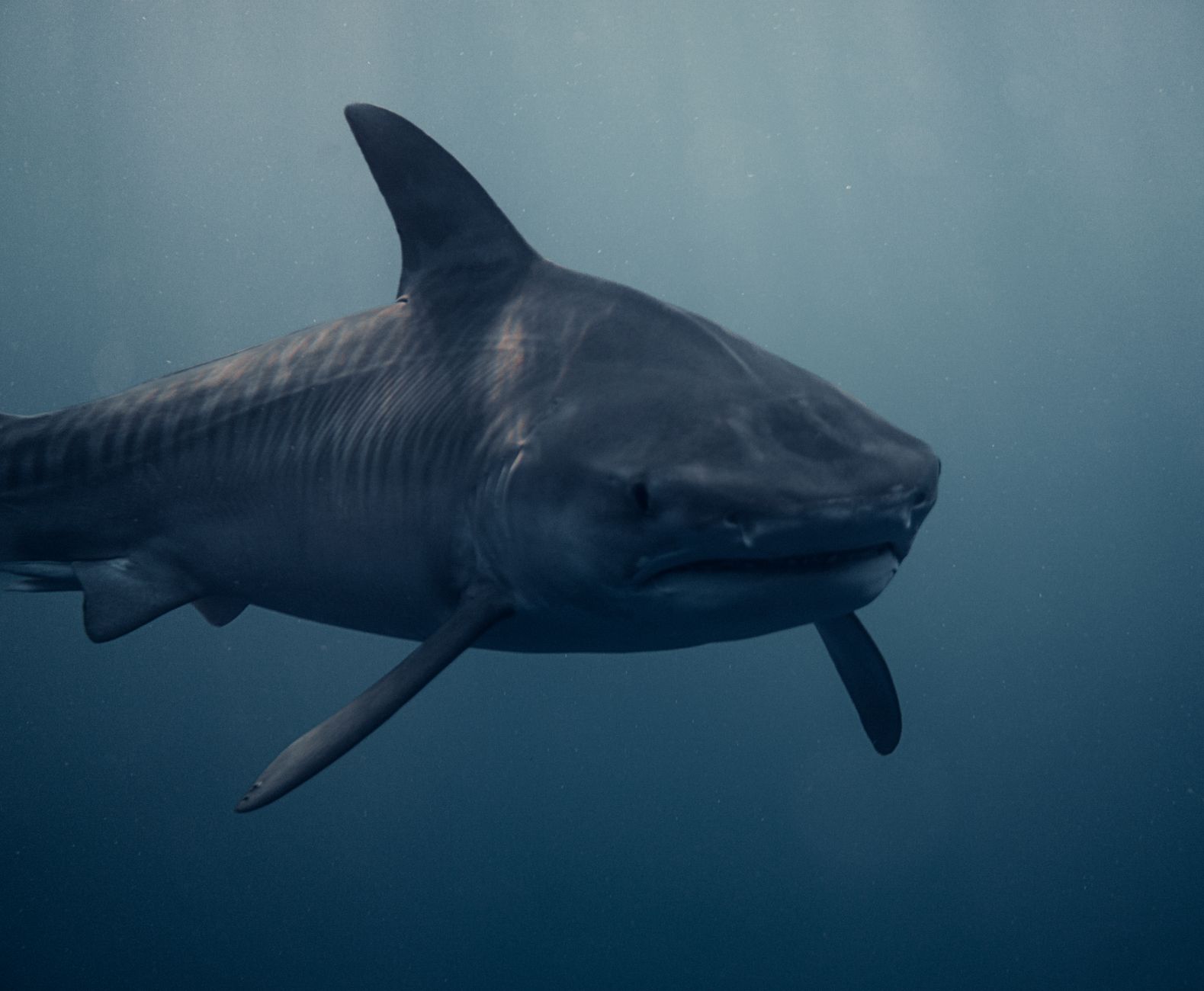
The author of the original novel was inspired by a real-world event, one of the few true outbreaks of shark attacks in history: the shark attacks of 1916. On July 1, 1916, a shark attacked and ultimately caused the death of a man, Charles Epting Vansant, off the shore of Beach Haven, NJ. On July 6, another man, Charles Bruder, was attacked and killed near Spring Lake, NJ, more than forty miles North of the previous attack. The final three attacks all happened in the fresh water Matawan Creek near Matawan, NJ. On July 16th, a man, Stanley Fisher, and a twelve year old boy, Lester Stillwell, were killed within an hour of each other. The fifth and final attack happened on this same day when a fourteen year old boy, Joseph Dunn, was attacked but ultimately escaped and was able to make a recovery in the hospital. All told, there were five recorded attacks and four fatalities associated with this period.
The response to these attacks was a shark panic throughout the country, especially on the East Coast. While beaches remained open, with some safety precautions such as netted off sections of the water, there was a significant drop in tourism and beach visits as fear spread. Scientists weighed in, trying to assure the public that subsequent attacks were unlikely. There was even a federal response with the House of Representatives pledging $5000 at the time to address the shark presence along the coast. There were bounties offered for the capture of the shark in question, and while multiple sharks were caught, it is still unknown if any were directly responsible for the attacks.
To this day, some of the specifics of the attacks are still hazy. It is not known with complete certainty, for instance, if all of the attacks were done by the same shark or multiple sharks. The attacks in the freshwater Matawan Creek suggests that either there were different sharks, or they were performed by a shark that can survive in both salt water and fresh water, such as a bull shark. Multiple sharks were hunted at this time, and one, a young great white shark, was found to have human remains inside of it, however it was never conclusively linked to the attacks.
Additionally, we don’t know why these attacks happened, or why there were so many in a relatively small area over such a short period of time. One theory actually suggested that the attacks were a result of sharks having gained an increased taste for humans due to the German U-boat attacks in the Atlantic during World War I.3 The actual cause of the attacks remains a mystery to this day.
It is a confirmed fact that for fifteen days in July there was a legitimate shark panic in the United States following this series of unprecedented public attacks. While there have been a rare few similar events, where there have been multiple attacks in a short period of time, such as the Pacific Coast shark attacks of 1984, the attacks in 1916 remain the most infamous, and the most culturally influential.
Further Reading
This very brief account of the shark attacks of 1916 only scratches the surface of the actual events that took place in New Jersey. If your interest has been piqued, I recommend a few books for further reading:
NonFiction
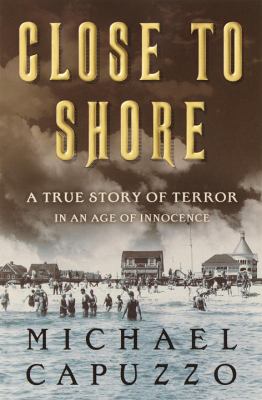
Close to Shore: a true story of terror in an age of innocence
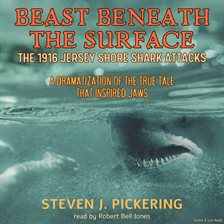
Beast Beneath the Surface, the 1916 Jersey Shore Shark Attacks (digital audiobook)
Historical Fiction
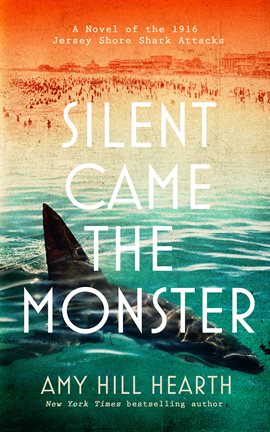
Silent Came the Monster: A Novel of the 1916 Jersey Shore Shark Attacks (e-book)
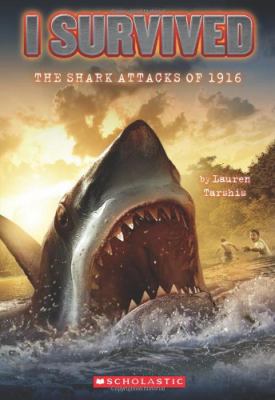
I survived the shark attacks of 1916
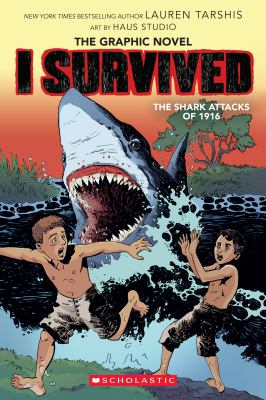
I survived the shark attacks of 1916: the graphic novel
The Movie
- https://www.floridamuseum.ufl.edu/shark-attacks/yearly-worldwide-summary/ ↩︎
- https://www.nsc.org/newsroom/nsc-predicts-12-percent-decrease-traffic-deaths?srsltid=AfmBOopz6hcMxj9qqkiP-VeEDKSR8ImZ48SNuFKwTZE1HYRxdxvB8qaT#/ ↩︎
- https://www.nytimes.com/1916/07/15/archives/sharks-and-submarines.html ↩︎
Sources
https://www.livingsharks.org/incidents
https://www.nytimes.com/1916/07/15/archives/sharks-and-submarines.html
https://www.floridamuseum.ufl.edu/shark-attacks/yearly-worldwide-summary
