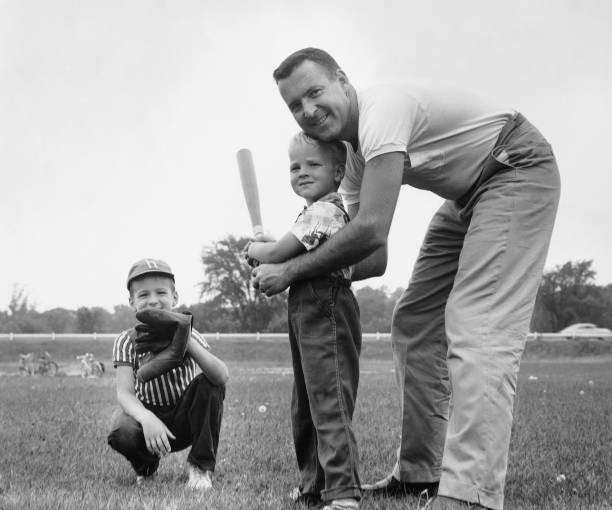
Father’s Day is a time to celebrate the fathers, grandfathers, and father figures who have shaped our lives. They are our guides, protectors, teachers, and storytellers. But Father’s Day can also be an opportunity to look beyond the present and learn more about the generations of men who came before us.
For many people, family history begins with a simple question: Who was my father before he became my father? That question often leads to another: Who were the fathers before him?
Whether you’re interested in preserving family memories, recording oral histories, or uncovering generations of family stories through historical records, Richmond Public Library offers tools and resources to help you begin the journey.
Start with Stories
Before searching through records and databases, start with the people around you!
Ask your father about his life. What stories does he remember from childhood? What experiences shaped his values? What lessons does he wish he had known sooner?
Then ask about his parents and grandparents. What were their lives like? What kind of communities did they live in? What jobs did they hold? What traditions did they pass down?
You can also reach out to aunts, uncles, cousins, family friends, and neighbors who knew earlier generations.
Some questions to consider:
- What was my father like as a child?
- Was my grandfather known for his kindness, his humor, or his work ethic?
- What occupations were common in the family?
- Where did family members gather, socialize, worship, or celebrate?
- How did previous generations influence the people we know today?
The answers may surprise you. Sometimes the smallest memories reveal the most meaningful details.
Preserve Those Memories
As you collect stories, make sure they are preserved.
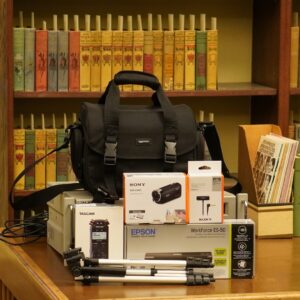
Richmond Public Library’s Memory Lab offers Personal Archiving Kits (PAKs) that can be checked out with a library card. These kits include cameras, audio recorders, portable scanners, and other tools that make it easy to record oral histories and preserve family memories at home. These resources allow families to capture stories today so they can be shared with future generations tomorrow.
Learn more about the Memory Lab and Personal Archiving Kits at:
https://rvalibrary.org/services/memory-lab/
When the Oral Trail Ends, Follow the Paper Trail
Eventually, every family historian reaches a point where living memory can take them no further. That’s when historical records become invaluable. Fortunately, Richmond Public Library offers a wealth of genealogical resources that can help fill in the gaps!
Ancestry Library Edition
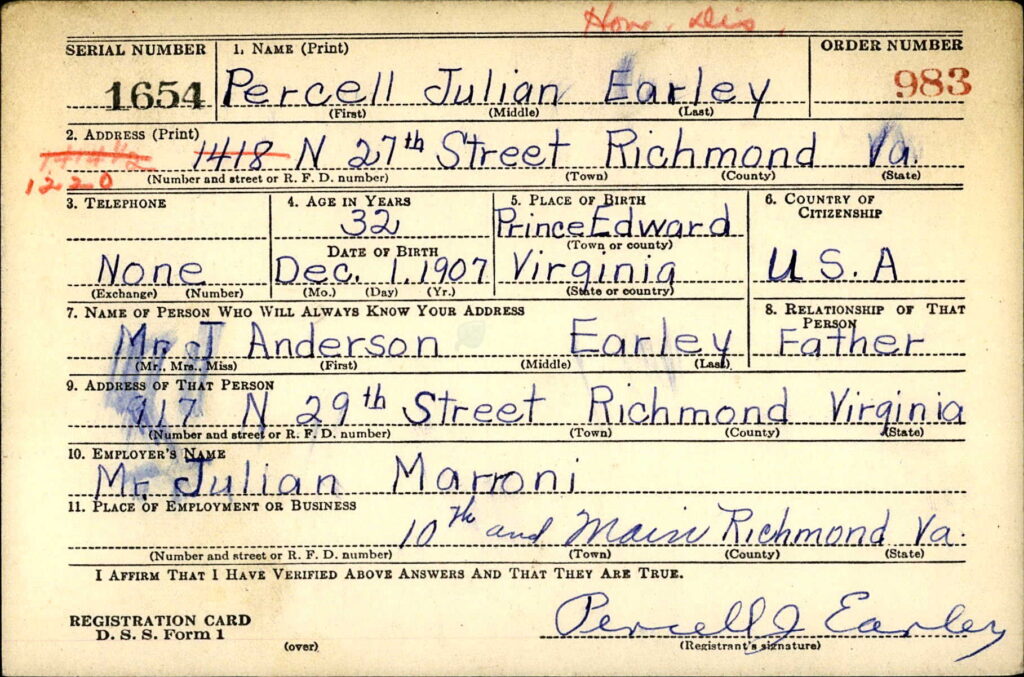
Available for free inside Richmond Public Library locations, Ancestry Library Edition provides access to: Birth, death, and marriage records; Wills and property records; Naturalization and passport records; City directories; Freedmen’s Bureau records; School yearbooks; Military service and draft records from the Revolutionary War through Vietnam; DAR and Sons of the American Revolution applications; and so much more!
Virginia Untold
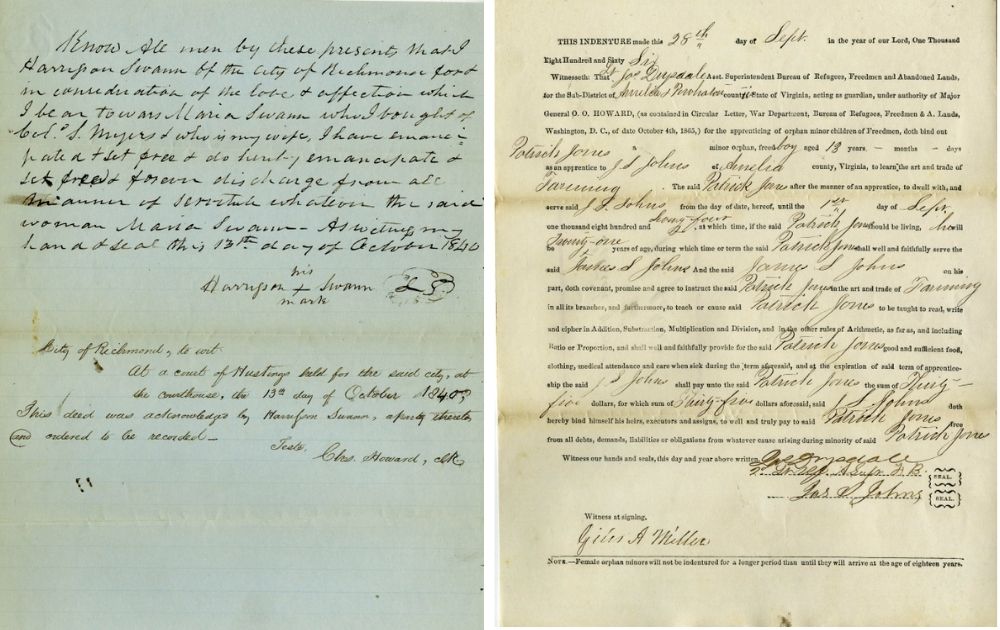
Researchers exploring African American genealogy may find the Library of Virginia’s Virginia Untold project especially valuable. The collection contains records documenting the lives of enslaved and emancipated Virginians, including Emancipation records, Marriage records, Voting records, Freedom suits, Court records, Registries of free people, Deeds of sale and other primary source materials. These records can provide powerful insight into families whose stories are often absent from traditional historical narratives.
Historical Newspapers
Newspapers often reveal details that official records cannot.
Through resources such as NewsBank’s Richmond Times-Dispatch archives and Virginia Chronicle, researchers can discover: School achievements, Community involvement, Military service, Business activities, Sports accomplishments, Public notices, and other Family milestones from over 4 million newspaper pages.
![Image of Newspaper clipping of a standing child gazing at her father who sits uncomfortably in her school desk. Caption reads: "Father Finds Desk Fits Snugly. Gay Peyton shows her father, Armistead Peyton, what she's been doing in the classroom during the year. The occasion?- Fathers' Night at St. Catherine's. [staff photo]](https://rvalibrary.org/wp-content/uploads/2026/06/RNL19570315.1.21-3244-189-1819-1774-606w.jpg)
You may discover that an ancestor was a local sports star, a civic leader, a business owner, or perhaps someone who occasionally found themselves in the local headlines for less flattering reasons…
Explore the Richmond Room
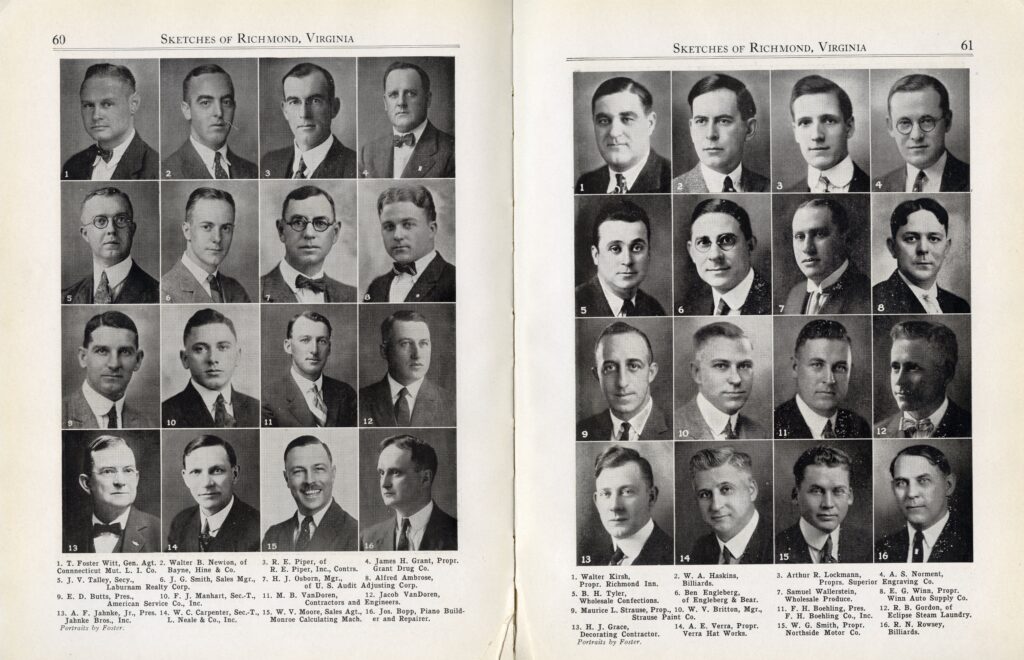
Once you’ve uncovered names, dates, and places, the Richmond Room can help you place those discoveries into context. The Richmond Room houses an extensive collection of materials related to Richmond and Central Virginia history, including City directories dating back to 1819; Local school and university yearbooks; Historic newspapers and periodicals; Richmond-area phone books; Local organizational records; Maps, and reports, and city archives; and more than 1,500 files of local ephemera. These resources help transform family facts into a richer understanding of the communities where our ancestors lived, worked, worshipped, and built their lives.
Bringing Records to Life
Genealogical records provide names, dates, and locations. But when those records are connected, especially with oral history, they can reveal remarkable stories about the lives our ancestors lived and the worlds they navigated. The following example shows how Library resources can help transform scattered historical records into a meaningful family story spanning generations.
While researching my own family history using free library resources, I was able to trace the life of my third-great-grandfather, Charles Earley, through a combination of census records, marriage registers, voter rolls, newspaper accounts, and military labor records. Each document added another piece to a story that stretched from slavery and emancipation to land ownership, civic participation, and military service across multiple generations.
According to the 1870 United States Census, the first federal census conducted after the Civil War, Charles Earley was born around 1842 in Virginia and lived in Hampden Township in Prince Edward County, near Farmville. The census provided a starting point, but it was only the beginning of the story.
A more revealing record appeared in the Register of Colored Persons of Prince Edward County Cohabiting Together as Husband and Wife, dated February 27, 1866. Following emancipation, formerly enslaved couples were encouraged to officially register marriages that had previously gone unrecognized under slavery. Before the Civil War, enslaved people could not legally marry, and their family relationships were not protected by law.
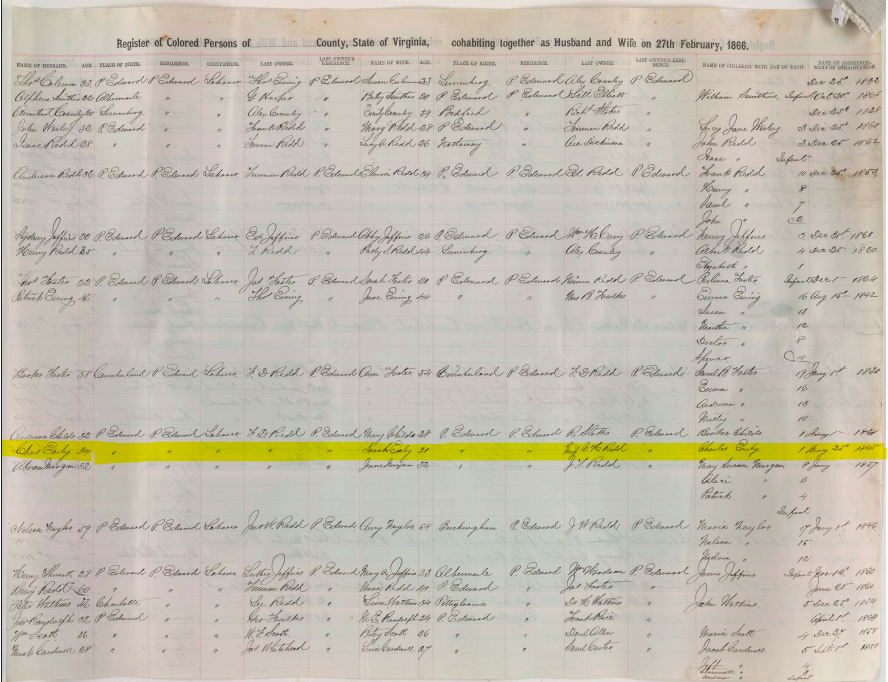
The document also preserved information that might otherwise have been lost: the names of the people who had enslaved them. Charles was listed as having been enslaved by Frank D. Redd, while Sarah had been enslaved by Miss C. H. Redd. Local newspaper records and historical sources reveal that Frank D. Redd was a tobacco inspector, Confederate colonel, and landowner in Prince Edward County.
Additional records uncovered through Ancestry revealed another chapter of Charles’s life before freedom. In the collection U.S. Confederate Army Payrolls for Enslaved Labor, 1840–1883, I found documentation showing that Frank D. Redd rented Charles to the Confederate Army’s Bureau of Engineers to help construct fortifications around Richmond. The payroll indicated that Charles worked for 41 days and that Redd received $27.33 in compensation for his labor.
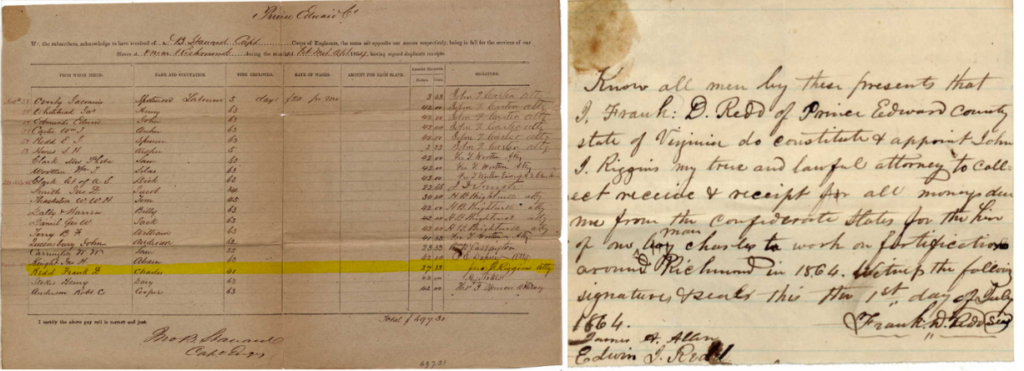
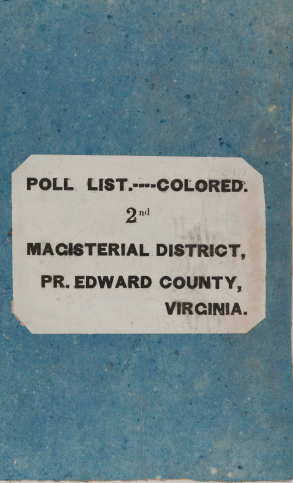
Just three years after being forced to labor for the Confederacy, Charles appeared in another document: the Colored Poll List of the Second Magisterial District of Prince Edward County, 1867. There, he was recorded as a registered voter, participating in the democratic process during Reconstruction. A man once denied legal recognition of his family and freedom had become a citizen exercising one of the most important privileges in American democracy, three years before the 15th amendment.
By the time of his death in 1897, Charles jointly owned forty acres of land. On that land, Charles and Sarah raised twelve children and established roots that would support future generations. One son moved to Richmond and worked as a cleaner at the Monte Maria convent settling in Church Hill. Generations found employment in Richmond’s tobacco factories, lumber industries, laundries, restaurants, and public works departments as the city expanded during the early twentieth century. His grandson began a family tradition of military service that would span three generations, serving during World War II. His great grandson dedicated his life and career to military service as well, serving in both Korea and Vietnam. That tradition ultimately reached my own father, his 2x great grandson, a retired sailor who served more than twenty-five years in the United States Navy.
Preserve the Past for Future Generations
Discovering family history is only half the journey. Preserving it is equally important.
The Memory Lab provides equipment and support for digitizing: Photographs, Documents, Scrapbooks, VHS tapes, Film reels, Audio cassettes, Vinyl records, DVDs, Floppy disks, and many other formats.
Digitization creates lasting copies that can be shared with relatives, protected from deterioration, and passed on to future generations. Every Memory Lab appointment begins with an orientation, and staff are available to help guide users through the process. The lab also offers access to creative software for editing audio, video, and digital projects.
Join Us for a Father’s Day Program
This Father’s Day, Richmond Public Library invites the community to celebrate family history, memory, and connection through creativity.
Portraits of Fatherhood: Memory + Digital Craft Studio offers participants an opportunity to honor fathers and father figures through storytelling, reflection, and hands-on digital projects. Attendees will create personal tributes, preserve photographs and memories, and explore the ways family stories connect generations.
Because every father has a story. Every family has a history. And every memory preserved today becomes a gift for tomorrow!
Discover more from Richmond Public Library
Subscribe to get the latest posts sent to your email.