Leading the Change: Women Shaping a Sustainable Future
Since 1986, the month of March has been nationally recognized as Women’s History Month. Each year the National Women’s History Alliance chooses a theme for the month. This year, the theme is “Leading the Change: Women Shaping a Sustainable Future.” Women’s history and a future that is sustainable are deeply linked together. Sustainability encompasses more than just environmental concerns, though that is at the forefront.
The Cambridge Dictionary defines sustainability as “the quality of being able to continue over a period of time causing little or no damage.” There is financial sustainability, community resilience, strengthening education systems to support the student and the teacher, green technologies and economic sustainability—every aspect of life. Women all over the world are contributors and beneficiaries of sustainability.
Check out this list of titles either by or about notable women that have impacted the long-term sustainability of their field. These women have had the courage to focus on what they could do rather than listen to what they were told they could not do, contributing to a world that can continue without harm.
Sustainability for the environment

Eunice Newton Foote made groundbreaking discoveries about the greenhouse effect in the 1850s, shaping the understanding of climate science for years.
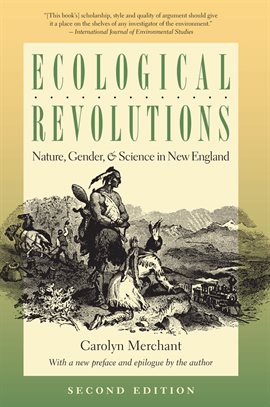
Native American ways of life and the environment itself underwent radical alterations with the introduction of European explorers and settlers and from the industrialization that brought about the capitalist economic model between 1600 to 1860, changing ecology and economy.

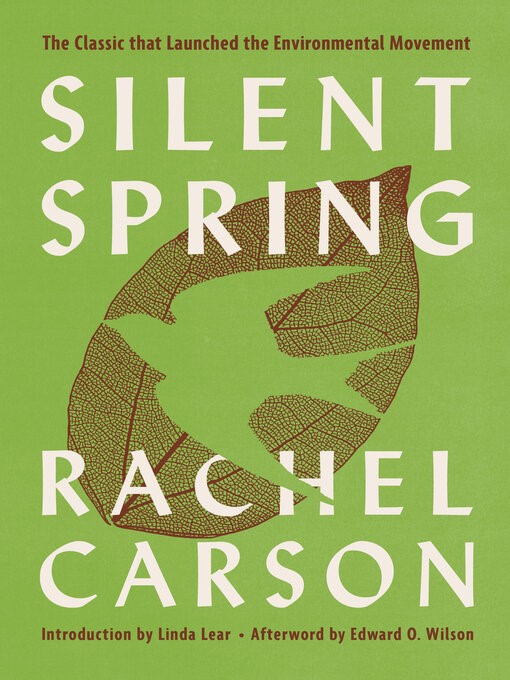
This books’ popularity brought about the banning of DDT and spurred major changes in the laws affecting our air, land, and water and the mindset of sustainability of nature for the latter half of the twentieth century.
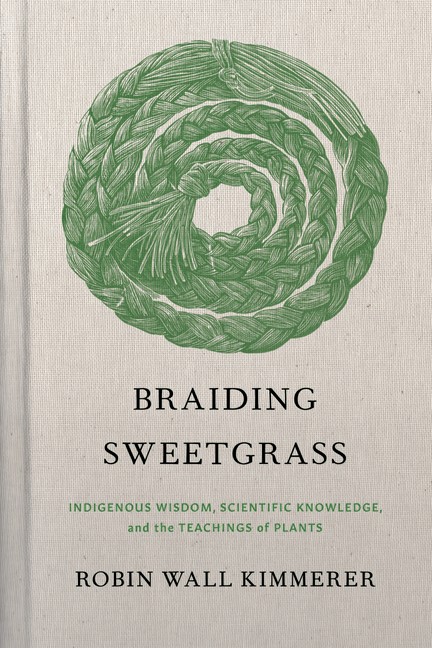
Science and Native practices that honor the land are not mutually exclusive, as Kimmerer proves in the classic that teaches academia and cultural identity holistically.

Changing our relationship to nature to correct course on the climate is necessary to correct course on economic inequalities. The status quo has failed the environment and us.
Sustainability for Education
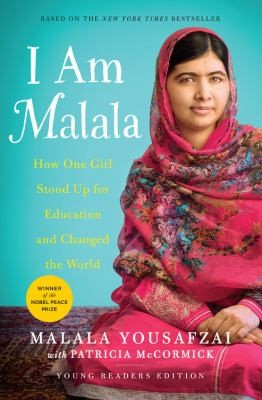
As a champion for all women’s right to learn, Malala shares her story of resilience and hope.
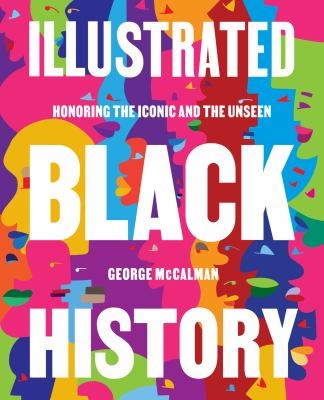
Amongst the many noteworthy African Americans to learn about in this beautifully illustrated book, be sure not to skip education activist Fannie Jackson Coppin. Not only was she one of the first Black alumnae of Oberlin College despite being formerly enslaved, she was the first Black School Superintendent in the United States.

Montessori revolutionized teaching children using scientific methods to develop the best way to approach a child’s learning.
Sustainability for the Arts

Waters is the original architect of the Farm to Table movement, encouraging sustainable practices for food cultivation and cooking.

Fast fashion wrecks the environment and your style, argues author Cline. She focuses on ways fast fashion is harmful and how the consumer can support sustainable fashion.

In her autobiography, acclaimed director Chopra candidly talks about how she has created a long lasting, sustainable career and meaningful life.
Sustainability in Justice Movements
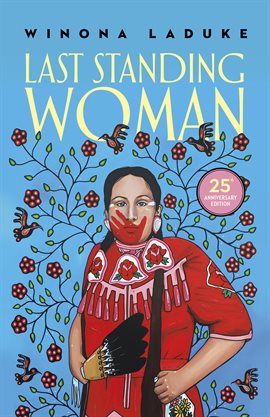
Spanning seven generations of Anishinaabe Indians, LaDuke traces their struggle to restore their culture and regain their land focusing on their sustainable practices and the roles of women in the community.
Former President of Ireland Mary Robinson focuses on the stories of women at the center of climate justice and sustainability, showing a path forward in human rights and climate rights.

In her powerful memoir, Burke shares how empathy is the only way towards a sustainable future that empowers and liberates Brown and Black women.
[/vc_column_text][/vc_column][/vc_row]